 Scripps News
A Guide to Exploring New York’s amazing Subway art
March 3, 2026
Charleston Photowalk Travel Guide
March 30, 2026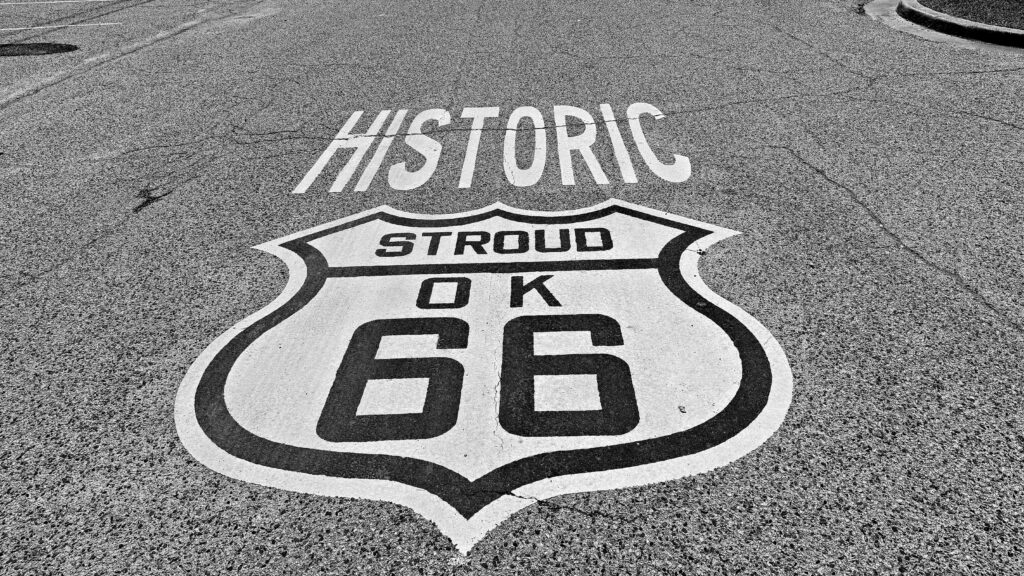
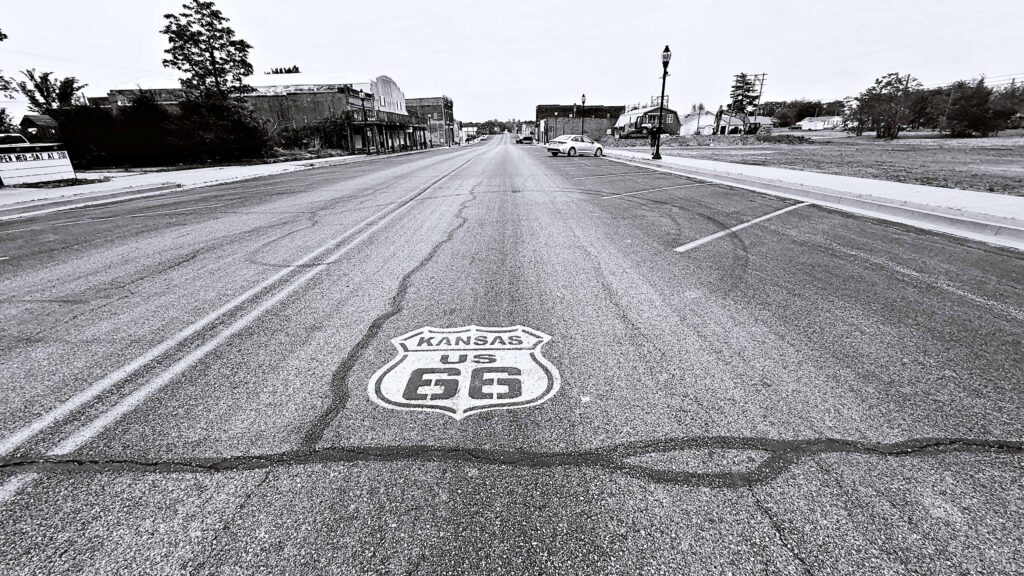
Route 66 turns 100 this year, and many of you will be looking to drive America’s most legendary highway. Stretching from Chicago to Santa Monica, the Mother Road crosses eight states, three time zones, and an ever-changing American landscape of diners, neon, old motels, quirky roadside attractions, and small towns that still feel rooted in another era.
This is a long trip that’s most enjoyable if you have oodles of time. We did in 3 weeks, which felt like we were rushing it, and I would have preferred at least a month. But most people don’t have that, so I put together a 2-week itinerary for any of you who’d like to see most of everything, but don’t have more time.
Day 1: Arrive in Chicago
Start in Chicago, where Route 66 officially began in 1926. Give yourself time, of you can, to enjoy a little bit of the city before hitting the road. Walk Michigan Avenue, check out the architecture, have some deep-dish pizza, and of course get the obligatory selfie at the Route 66 Begins Here sign. For a true Mother Road kickoff, have breakfast at Lou Mitchell’s, long considered the unofficial first restaurant of Route 66.
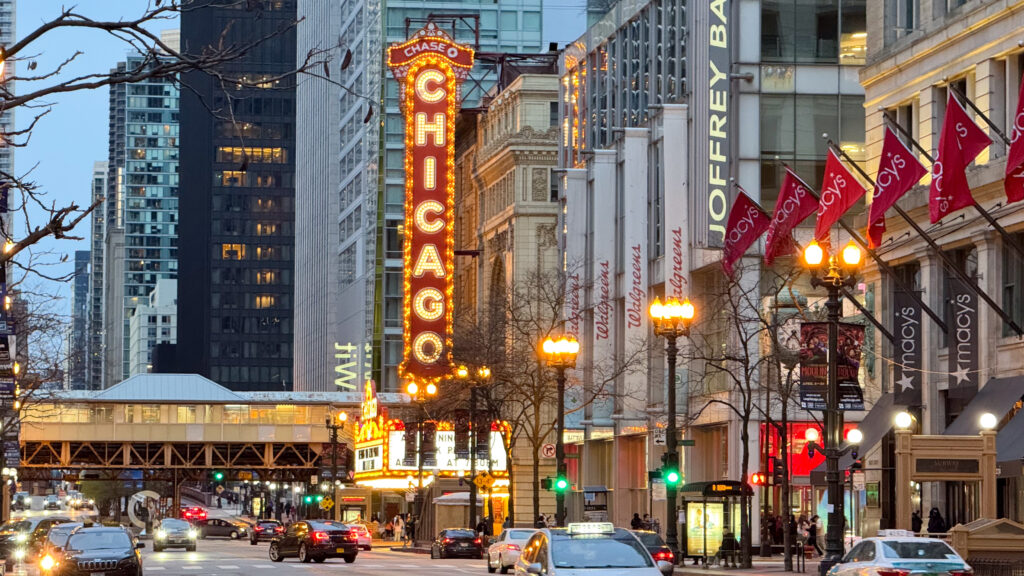
Day 2: Chicago to Pontiac, Illinois
Today the road trip begins for real. Head south through Illinois, where Route 66 quickly starts delivering that classic roadside Americana feeling. One of the best early stops is Pontiac, a terrific Route 66 town with colorful murals, a great small-town walking tour, and one of the most enjoyable museums on the route.
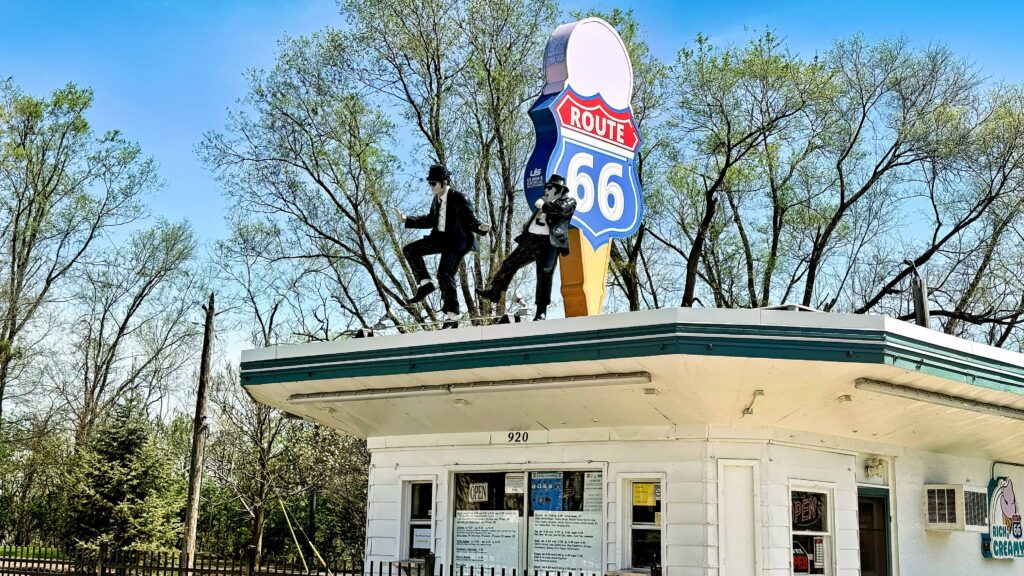
Day 3: Pontiac to Springfield, Illinois to St. Louis
Continue south to Springfield, Illinois, where Abraham Lincoln built his career. The Lincoln museum here is excellent and far more impressive than many visitors expect. Before leaving town, stop at the Cozy Dog Drive In, which claims the invention of the corn dog. From there, head on to St. Louis, the symbolic gateway to the West.
Day 4: St. Louis to Springfield, Missouri
St. Louis can feel a little more urban and traffic-heavy than the romantic Route 66 dream, but it has two stops worth making time for: the Gateway Arch, which marks your crossing into the West, and the Chain of Rocks Bridge, one of the most photogenic bridges on the whole trip. Then continue to Springfield, Missouri, another key Route 66 overnight stop and a good base for exploring southwest Missouri. (We stayed at the local Best Western in the Elvis suite! Talk about a Hunka-Hunka Love!)

Day 5: Springfield, Missouri to Joplin to Galena, Kansas to Tulsa
Missouri serves up classic roadside scenery, rolling countryside, and some wonderfully offbeat stops. Near Joplin, you can still catch remnants of old-school Route 66 culture, including the 66 Drive-In. Then comes one of the smallest but most memorable Route 66 segments: the 13 miles through Kansas. In Galena, look for the gas station that inspired Cars. It’s a quick stop, but an important one. By day’s end, arrive in Tulsa, one of the great Route 66 cities.
Day 6: Tulsa and central Oklahoma
Tulsa is loaded with Route 66 atmosphere, especially its neon along 11th Street and the Art Deco architecture downtown. It’s also home to two world-class museums devoted to Bob Dylan and Woody Guthrie, which makes this one of the richest cultural stops on the trip. As you continue through Oklahoma, look for roadside gems like the Round Barn in Arcadia and the Rock Cafe in Stroud, whose owner inspired Sally in Pixar’s Cars.
Day 7: Oklahoma to Shamrock, Texas
Today you head into the Texas Panhandle. Your first major stop is Shamrock, home of the beautifully restored U-Drop Inn, one of the most famous Art Deco buildings on Route 66. Shamrock is small, but that glowing old diner and station are worth the stop all by themselves.
Day 8: Shamrock to Amarillo to Adrian
This is one of the most fun days of the trip. In Amarillo, stop at Cadillac Ranch, where ten classic Cadillacs are buried nose-down in the dirt and visitors are encouraged to add their own spray paint. Then head to the Big Texan, the famous steakhouse known for its 72-ounce steak challenge. (Free food, if you can eat it all in under an hour. Odds are you can’t.) From there continue west to Adrian, the exact midpoint of Route 66, where the Midpoint Cafe makes for one of the most satisfying symbolic stops on the whole journey.
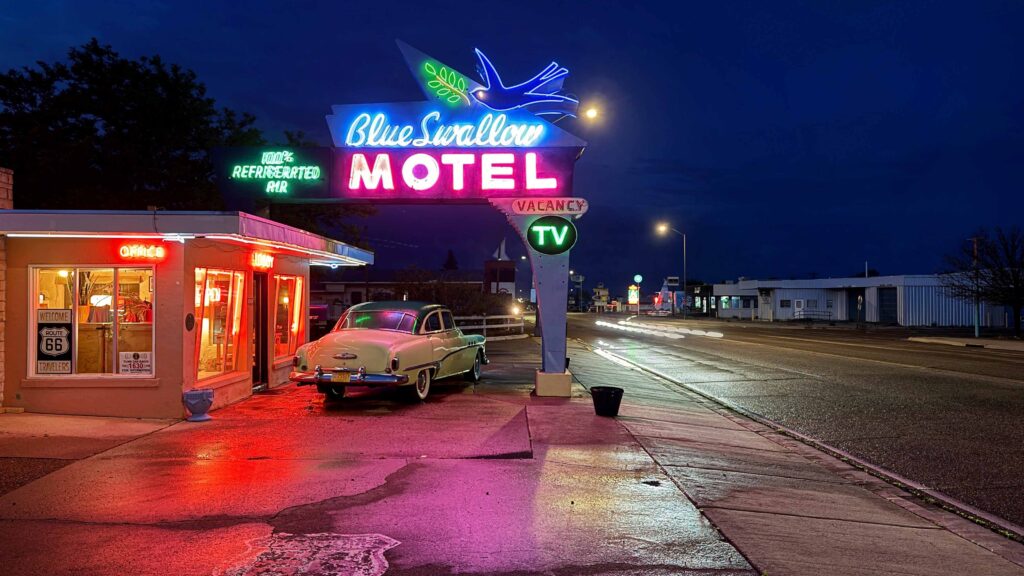
Day 9: Adrian to Tucumcari, New Mexico
New Mexico is where the trip begins to change visually in a big way. The skies open wider, the terrain becomes more dramatic, and the neon somehow feels even brighter. Tucumcari is one of the great old motel towns of Route 66, with classic signs like the Blue Swallow Motel and the Tee Pee Curios shop. If you hit it at dusk—or even better, after a little rain—the town absolutely glows.
Day 10: Tucumcari to Santa Rosa to Albuquerque
Keep heading west, making time for places like Santa Rosa, which has its own old-car and roadside appeal, before arriving in Albuquerque. Originally Route 66 ran through Santa Fe before being rerouted, but Albuquerque remains one of the best big-city Route 66 stops in the Southwest, with vintage diners, classic neon, and a stretch of old road that still feels alive.
Day 11: Albuquerque to Gallup
This is a shorter day, which is good because Gallup is worth slowing down for. Long associated with Native American jewelry, trading posts, and classic roadside meals, Gallup feels like a transition point between the open desert road and the even more cinematic landscapes that lie ahead in Arizona.
Day 12: Gallup to Holbrook to Winslow to Flagstaff
Welcome to my favorite Route 66 state: Arizona. Start in Holbrook with the famous Wigwam Motel, where you can sleep in a teepee-shaped room or just stop for photos. Nearby is Petrified Forest National Park, one of the few national parks Route 66 travelers can easily add to the journey. Then continue to Winslow, where everyone stops to stand on the corner made famous by the Eagles song Take It Easy, before ending the day in Flagstaff, one of the most appealing overnight towns on the route.
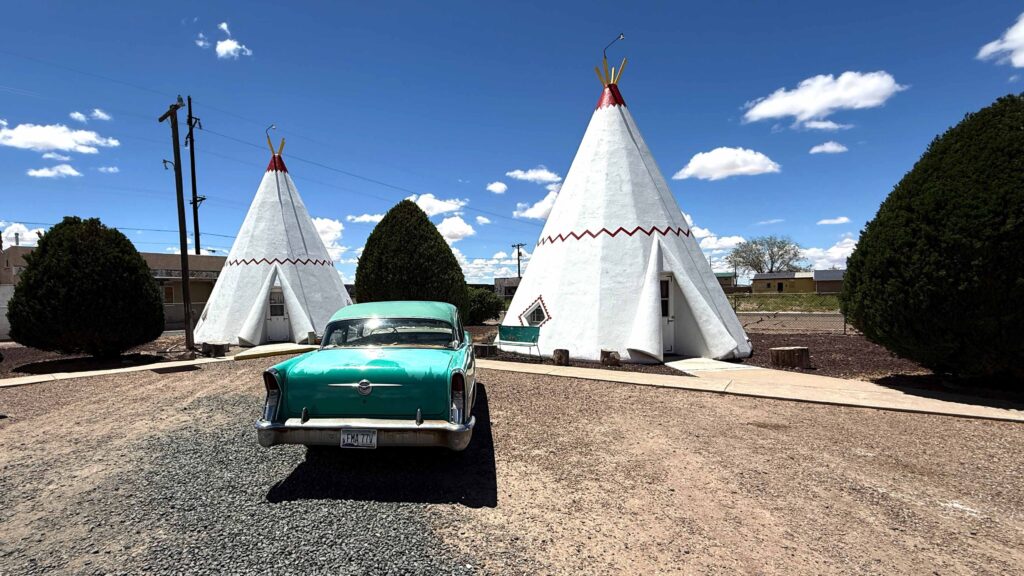
Day 13: Flagstaff to Seligman to Hackberry to Kingman/Oatman
This is one of the best pure Route 66 days anywhere. Seligman is one of the spiritual homes of the Route 66 revival, thanks to the late barber Angel Delgadillo, who helped preserve the road’s legacy. Then comes Hackberry General Store, one of the most photogenic stops on the entire route. (A great place to snap one of those Route 66 shields on the ground.) From there, drive the glorious stretch from Kingman to Oatman, which for me is the most cinematic driving section of the whole trip—curvy roads, desert scenery, and finally the burros wandering the streets of Oatman.
Day 14: Oatman to Amboy to Victorville to Santa Monica
Your final day is a big one, but it ends at the Pacific. In California, stop at Roy’s in Amboy, one of the great neon landmarks of Route 66. Further west, check out the wonderfully weird Bottle Tree Ranch near Victorville. You’ll continue to Pasadena (must stop is the Fair Oaks Pharmacy, complete with a nostalgic soda fountain.) Then keep going until you reach the Santa Monica Pier, where the Mother Road comes to its triumphant end at the ocean.
The takeaway
People always ask what the single best stop on Route 66 is, and I still don’t have an answer. It might be the neon in Tulsa, the Wigwams in Arizona, Cadillac Ranch in Texas, or that final moment at Santa Monica Pier. But really, the magic of Route 66 is the cumulative effect—watching America change mile by mile, town by town, sign by sign.