
St. Augustine, the Oldest City in U.S.
April 5, 2026
Walking Savannah: A Two-day Itinerary
April 19, 2026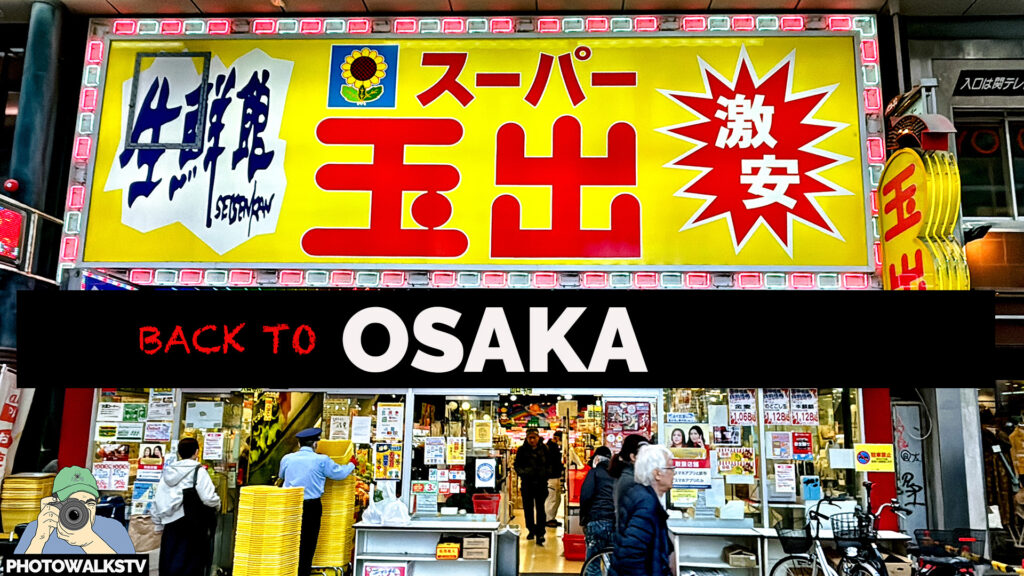
Osaka has a reputation: neon, takoyaki, and that over‑the‑top stretch along the canal called Dotonbori. It’s Japan’s Times Square. You should absolutely see it—once. Then get out of there and explore the city locals actually live in.
On a recent Photowalks shoot, I spent two packed days doing exactly that, camera‑phone in hand. Here’s how to spend 48 hours in Japan’s “kitchen,” chasing great food, quieter streets, and better photo spots.
Day 1: Arcades, Shrines and Everyday Osaka
We start indoors—under the longest shopping arcade in Japan—then peel off into backstreets for toothbrushes, canned bread, jazz vinyl and a bagel shop that only lets in two people at a time.
Stop 1: Tenjinbashi‑suji Arcade and Osaka Tenmangu Shrine
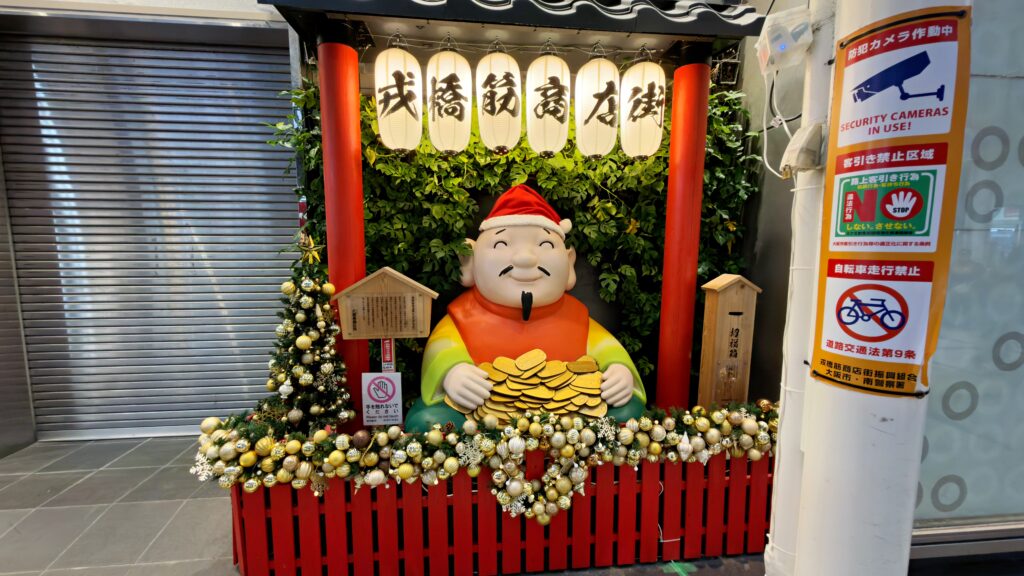
Osaka has more covered shopping arcades than anywhere else in Japan, and Tenjinbashi‑suji is the king—about 1.7 miles of nonstop shops, stalls and eateries. It was originally built to pull visitors toward Osaka Tenmangu Shrine, and you still see the shrine’s arches and motifs baked into the arcade’s ceiling and signage.
What to do
- Walk the arcade end to end. You’ll pass shoes, clothes, tiny restaurants, drugstores and just‑plain‑odd shops in one continuous covered street.
- Detour into Osaka Tenmangu Shrine to get a feel for how commerce and religion have shared this neighborhood for centuries.
- Watch how locals actually use the arcade: commuting, grabbing lunch, shopping on the way home from work.
Stop 2: Toothbrushes, Canned Bread and Vinyl
One reason I love Osaka: it swings from practical to wonderfully weird in about three storefronts.
Inside the arcades and nearby streets you’ll find:
- Handcrafted toothbrush shops – owners will happily explain why their bristles are different and better.
- Canned bread (“pan in a can”) – sold as an emergency food for earthquakes and disasters, but also perfectly snackable.
- Vintage record stores – Japan has a serious vinyl culture; many jazz and pop records were pressed here in higher quality, and some titles only ever got Japanese releases.
For American visitors, those jazz bins can feel like a goldmine.
Stop 3: Lunch in the Arcade (Without Dotonbori Prices)
Osaka didn’t get the nickname “the kitchen of Japan” by accident. Even inside the arcades you’ll find stalls serving:
- Takoyaki (octopus balls)
- Okonomiyaki (savory pancakes)
- Kushikatsu (deep‑fried skewers)
The bonus: away from Dotonbori’s tourist traps, prices can be a fraction of what you’d pay along the canal—locals talk about takoyaki in arcades running around 20% of Dotonbori’s going rate.
Look for the places run by older couples and grandmas, with a short counter and a handful of stools. That’s where you’ll usually eat best.
Stop 4: Tiny Bakeries and Japanese Bagels
Osaka does “small” better than almost anywhere—especially when it comes to bakeries. Near Yotsubashi Park we found a one‑person bakery so tight only a single customer can fit inside at a time.
Two standouts:
- Stand‑style micro bakeries near Yotsubashi – A baker working alone in a space barely bigger than a closet, turning out serious bread from imported flours and long fermentations.
- Bagel shops like Happy Camper – Osaka has a surprisingly passionate bagel scene, with lines out the door and strict “two customers at a time” policies. In addition to sesame and plain, you’ll see flavors like sweet bean paste with walnuts, and even an Okinawan sausage “bagel dog.”
You usually need to come early; once the bread or bagels sell out, that’s it until tomorrow.
Stop 5: Apple Pie at Ringo Star
Later in the afternoon, aim for Ringo Star, a small apple‑pie shop whose name is a double pun—Ringo as in the Beatle, and “ringo,” Japanese for apple.
They specialize in handheld apple turnovers made with Aomori apples from northern Japan, a region famous for its fruit. Fillings range from straight‑ahead apple to versions with custard or ice cream.
Different from an American slice, but every bit as addictive.
Evening: One Night in Dotonbori
You can’t come to Osaka and skip Dotonbori entirely, but you also don’t need to spend your whole trip there.
My advice:
- Go once after dark.
- Walk the canal, get your Glico running man shot and a frame of the giant crab and octopus signs.
- Feel the energy, then move on.
Osaka can handle crowds, and even with years of tourist growth the area still works—but your best memories will likely come from the smaller streets you saw earlier.
Day 2: Backstreets, Big Views and Osaka After Dark
Teaser: Now that you’ve seen the obvious, we spend a day wandering side streets, hitting Osaka Castle or a second arcade, then riding elevators to shoot the city from above before it turns electric at night.
Morning: Get Lost (On Purpose)
Give yourself an hour after breakfast with no fixed plan. Pick a direction from your hotel in Namba, Umeda, or Tenma and just walk.
Long‑stay travelers and digital nomads who base in Osaka swear by this: some of their best discoveries are the shops and streets they only found by wandering.
You’ll notice:
- The city can look a little drab by day—simple high‑rises, a web of overhead power lines.
- Tiny bars and eateries that clearly wake up after dark.
- How comfortable it feels to roam: Osaka is busy, but designed for crowds and remarkably safe.
Late Morning: Osaka Castle or Another Arcade
If it’s your first time, Osaka Castle is a classic. The current keep is a reconstruction, but surrounded by moats, walls and parkland, it gives you the historical backdrop to the modern city.
If you’re already deep into castles on this trip, pick a different covered street—Osaka’s arcades grew from its history as a merchant port and from the very practical need to keep shoppers dry in the rain and out of the summer heat.
Lunch: Follow Your Nose, Not the Algorithm
Osaka’s food scene works because it delivers at every price point. You’ll find:
- Ultra‑cheap counters and standing bars.
- Mid‑range spots where locals linger.
- Serious splurge restaurants doing kaiseki, Italian, French and more.
A few tips from long‑term visitors:
- Don’t obsess over online ratings; Japanese diners tend to rate more conservatively, and a 3‑star average can still be a beloved local place.
- Lines often reflect Instagram fame as much as flavor. If you hate waiting, walk a block or two away and you’ll often find something just as good.
- Mix it up: have your takoyaki and okonomiyaki, but also try the Indian, Italian or French spots Osaka does surprisingly well.
Afternoon: Osaka From Above (No Drone Needed)
You don’t need to wrestle with drone rules or customs to get Osaka skyline shots—just ride the elevator.
Across the city you’ll find:
- Skyscraper observation decks.
- Hotel bars with panoramic windows.
- Department store rooftops that open to the public.
Most put you behind glass, which becomes a problem at night when reflections show your face, room lights and phone screen. The fix is simple: press your phone right up against the glass. Getting the lens flush knocks most reflections out.
Evening: The City Lights Up
Those wires and plain high‑rises you saw this morning? At night they belong to a different city. Travelers describe Osaka as drab by day but flamboyant and electric at night—like a quiet couple that turns into drag queens once the sun goes down.
To feel it:
- Re‑walk a neighborhood you visited in daylight and see how the vibe shifts.
- Wander lanes full of lanterns and menus posted out front.
- Watch how many places are still clearly feeding locals first, tourists second.
Why 48 Hours Here Are Worth It
Tokyo gets the hype, Kyoto gets the temples, but Osaka sneaks up on you. It’s a working city with a world‑class food scene, arcades that feel like indoor villages, and neighborhoods that reward getting lost.
Give it two days: one for arcades, shrines and small bakeries; one for backstreets, high views and neon. You’ll go home with a full camera roll, a full stomach, and maybe a new favorite city in Japan.