
Texas Route 66 Itinerary in 3 Stops
May 18, 2026
The 15 Best Walks in America: A Photowalks Travel Itinerary
June 4, 2026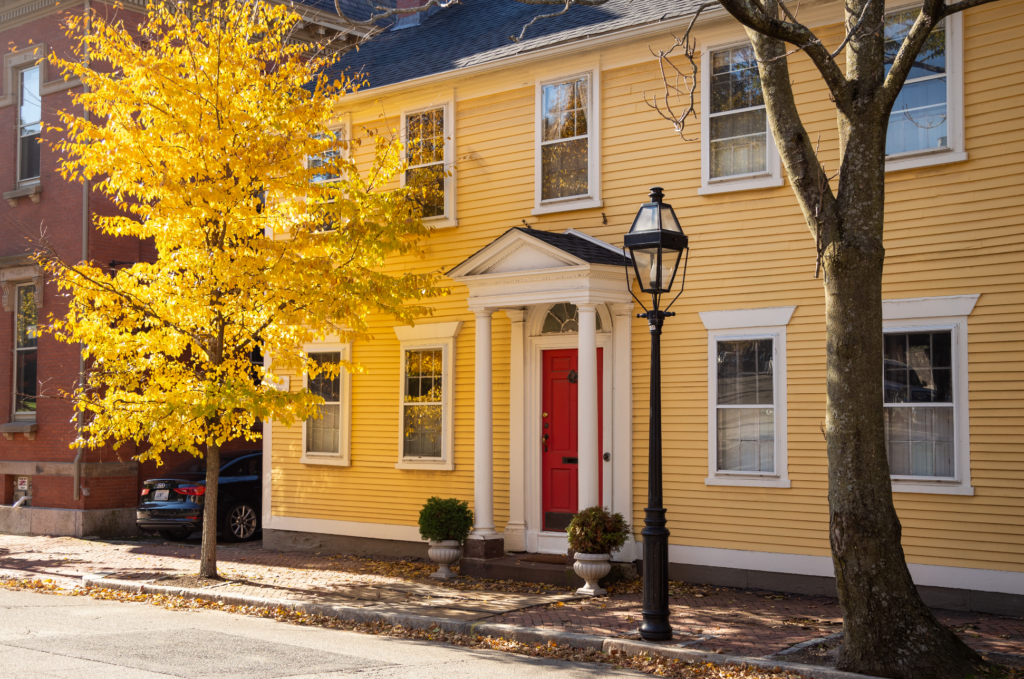
As America prepares to celebrate its 250th birthday, there’s no better time to hit the road and experience the places where the nation’s story began.
For Photowalks, I traveled from Boston to Washington, D.C., following the footsteps of revolutionaries, presidents, merchants, immigrants, and ordinary citizens who helped shape the United States. At roughly 450 miles, this isn’t a massive cross-country trek like Route 66. In fact, it’s barely longer than the drive from Los Angeles to San Francisco. This despite traveling through 6 states and 1 territory.
But what it lacks in distance, it more than makes up for in history.
This journey takes you from the revolutionary sparks of Boston and Providence, through the political and financial birthplaces of New York and Philadelphia, and finally to Washington, D.C., the purpose-built capital of a brand-new nation. Along the way you’ll walk colonial streets, visit buildings that have stood since the 1700s, dine in taverns frequented by George Washington and his contemporaries, and gain a deeper appreciation for how the United States came to be.
The best part? It’s incredibly easy to do.
The cities are compact, highly walkable, and connected by excellent roads, trains, and public transportation. Whether you’re a history buff, photographer, or simply looking for a meaningful travel experience, this road trip delivers.
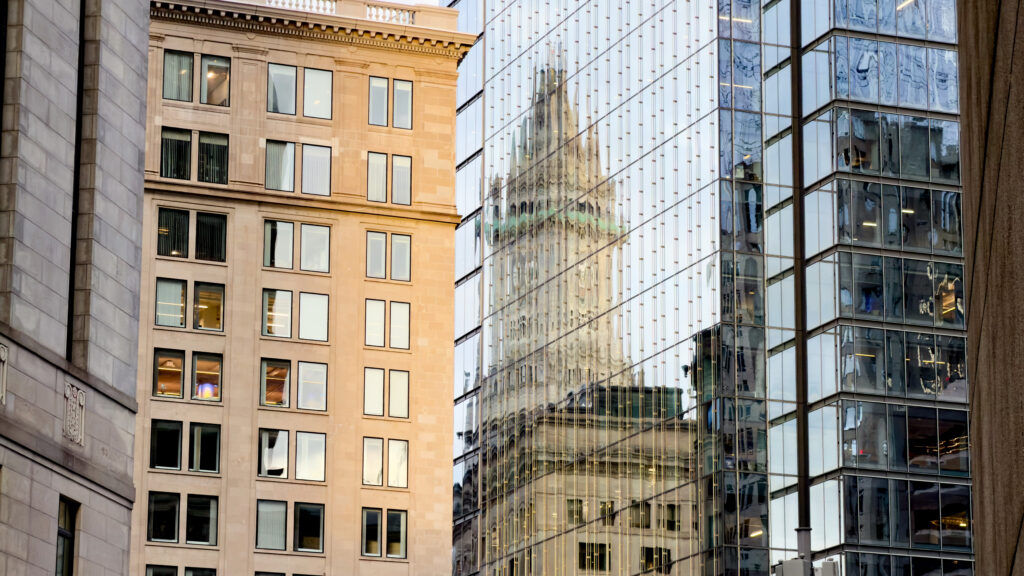
Stop 1: Boston, Massachusetts
If you’re doing the trip chronologically, Boston is where it begins.
Start with the Freedom Trail, one of America’s greatest urban walks. Follow the red brick path through downtown Boston and visit sites connected to Paul Revere, Samuel Adams, John Hancock, and the earliest days of the Revolution.
Plan at least a full day for the trail and another day for the North End, including the Paul Revere House and Old North Church.
Boston also rewards visitors with great seafood, classic Italian restaurants, waterfront views, and endless photo opportunities.
Recommended stay: at least 3 days
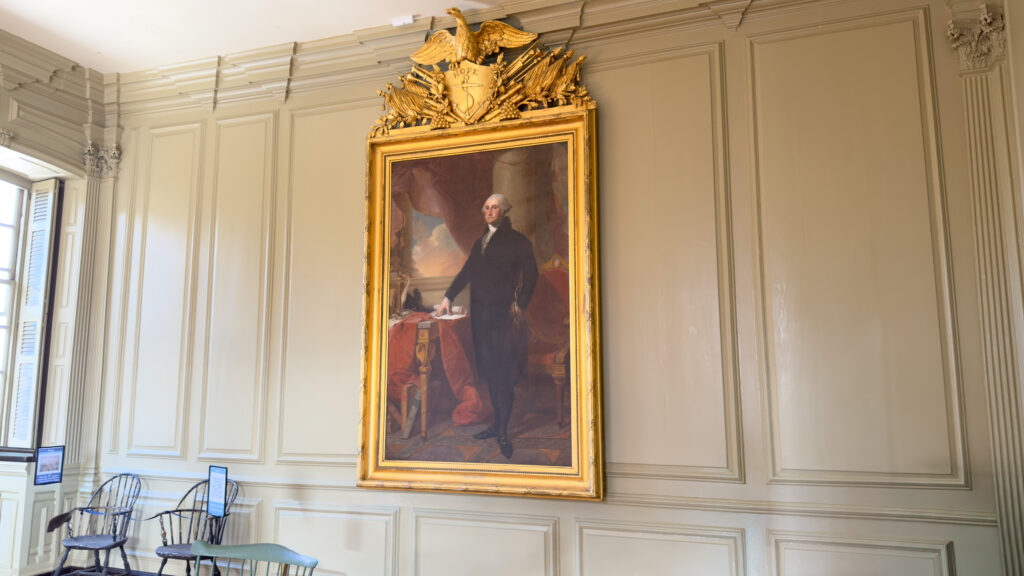
Stop 2: Providence and Newport, Rhode Island
Many travelers overlook Rhode Island, but they shouldn’t.
Providence’s historic Benefit Street may be one of the most beautiful preserved colonial streets in America. Lined with original homes dating back centuries, it offers a remarkable glimpse into early American life.
Don’t miss the John Brown House, whose owner played a key role in the Gaspee Affair, a pre-Boston Tea Party protest that many historians consider one of the earliest acts of rebellion against British rule.
Then head south to Newport.
Here you’ll find the famous Gilded Age mansions, spectacular coastal scenery, and the Cliff Walk. Newport provides a fascinating contrast to the colonial sites elsewhere on the trip, showing how America evolved from a collection of colonies into a wealthy industrial power.
And yes, stop for a Rhode Island specialty: a classic “Awful Awful” milkshake or frozen treat from Newport Creamery.
Recommended stay: 2 days, one each in Providence and Newport

Stop 3: New Haven, Connecticut
New Haven deserves more than just a quick stop.
History lovers can visit Yale University and the statue of Nathan Hale, America’s most famous Revolutionary War spy, remembered for his final words: “I only regret that I have but one life to lose for my country.”
But let’s be honest.
Many visitors come for the pizza.
New Haven-style pizza has become legendary, and the rivalry between Sally’s Apizza and Frank Pepe’s is part of the experience. Whichever one you choose, you’re unlikely to leave disappointed. Consider this a bonus to the history tour, but one you’ll never forget. The pizza is that good.
Recommended stay: 1 day

Stop 4: New York City
Most America 250 itineraries skip New York, which is a mistake.
Boston may have ignited the Revolution and Philadelphia may have formalized it, but New York became the stage for many of the war’s most dramatic moments.
Start at Bowling Green, where George Washington’s troops famously tore down a statue of King George III after the Declaration of Independence was read aloud in 1776.
Visit Fraunces Tavern, one of the oldest surviving buildings in Manhattan and a place deeply connected to Washington’s story.
Of course, no visit is complete without seeing the Statue of Liberty, Ellis Island, Times Square, and Lower Manhattan.
The city offers endless photography opportunities, from skyline views to street scenes and iconic landmarks.
Recommended stay: 2–3 days
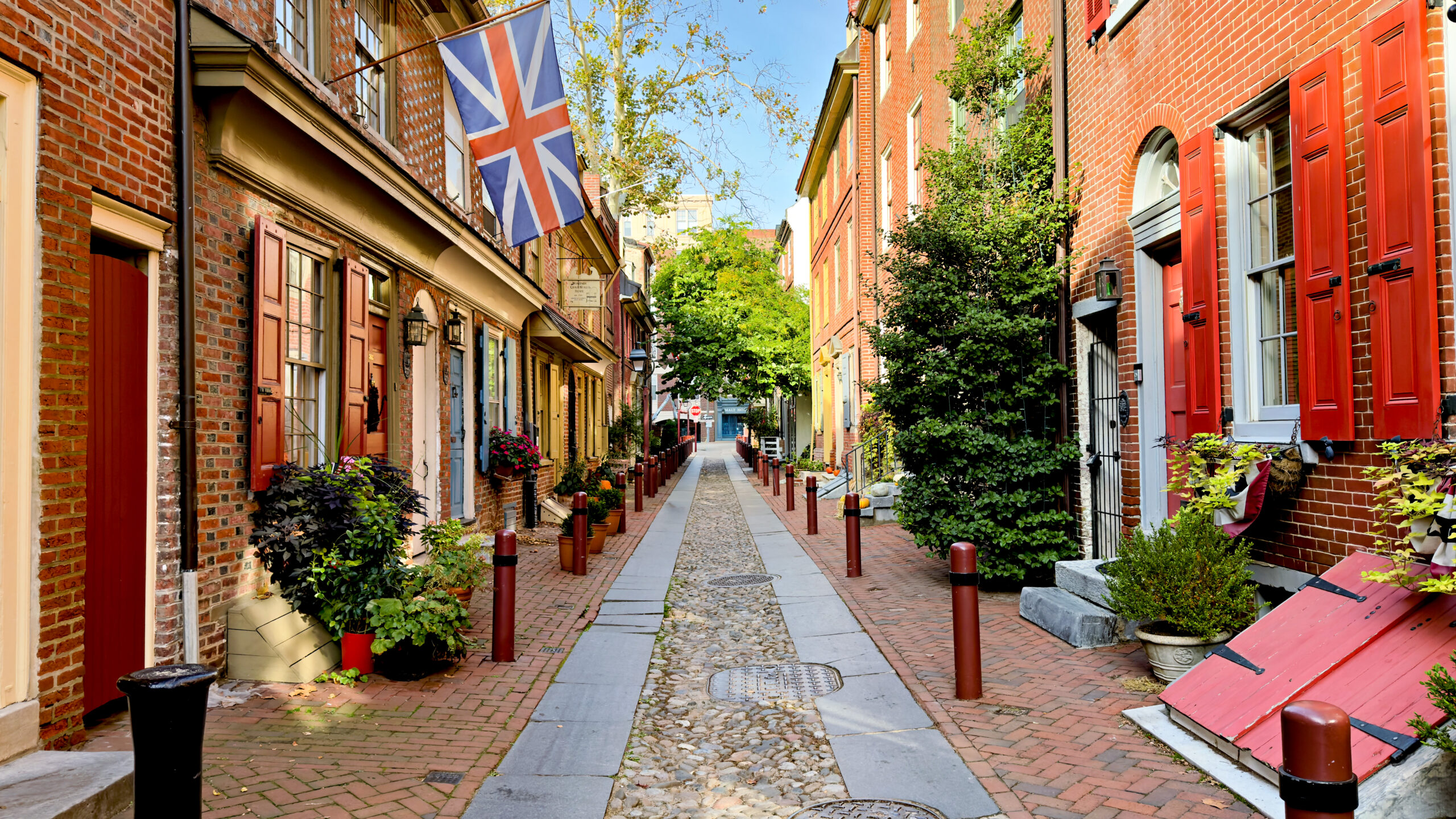
Stop 5: Philadelphia, Pennsylvania
If Boston is where the Revolution started, Philadelphia is where the nation was born.
This is the city where Thomas Jefferson drafted the Declaration of Independence and where delegates debated and signed both the Declaration and the Constitution.
Begin at Independence Hall and the Liberty Bell.
From there, walk to Carpenter’s Hall, the First Bank of the United States, the Museum of the American Revolution, and the Betsy Ross House.
One of my favorite discoveries was how walkable Philadelphia is. Historic sites are clustered together, making it easy to explore on foot.
And don’t miss Reading Terminal Market, one of America’s great food halls. It’s a perfect place to photograph colorful food displays, historic signs, local specialties, and the people who make the market come alive.
Recommended stay: 2 days
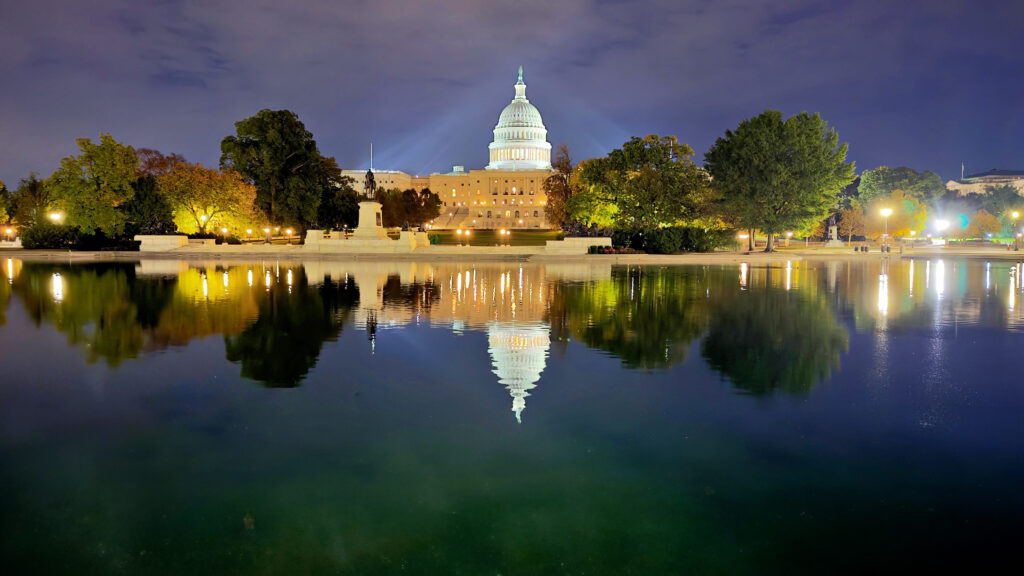
Stop 6: Washington, D.C.
Washington is the grand finale.
The National Mall may be the most impressive urban walk in America.
Start at the Washington Monument and stroll toward the U.S. Capitol, passing Smithsonian museums, memorials, and some of the nation’s most recognizable landmarks.
Allow plenty of time for the National Museum of American History, Air and Space Museum, National Gallery of Art, and the National Archives.
For photographers, sunrise and sunset are magical. The Lincoln Memorial, Reflecting Pool, Jefferson Memorial, and Capitol Building all transform dramatically in early morning and evening light.
Be sure to spend an evening exploring the monuments after dark. The city takes on an entirely different personality once the lights come on.
For a side trip, head to Old Town Alexandria, where cobblestone streets and colonial architecture provide one final connection to America’s founding era.
Recommended stay: 3 days
Car or Train?
Both options work.
A car offers flexibility, easier luggage storage, and access to smaller towns and attractions. But parking, especially in New York City, Philly and Boston, can be expensive and frustrating.
The train is often cheaper and removes the headache of driving in major cities. Amtrak connects all the major destinations on this itinerary, and many travelers may find it the more relaxing option. And train travel is cheap.
How Much Time Do You Need?
One Week
- Boston
- Providence
- New York City
- Philadelphia (2 days)
- Washington, D.C. (2 days)
Two Weeks
- Boston (3 days)
- Providence (1 day)
- Newport (1 day)
- New Haven (1 day)
- New York City (2 days)
- Philadelphia (2 days)
- Washington, D.C. (3 days)
- Old Town Alexandria (1 day)
Three Weeks
The ideal pace.
You’ll have time to explore museums, take side trips, photograph during the best light, enjoy local restaurants, and truly absorb the history instead of racing through it.
LINKS:
Boston / Cambridge
The Freedom Trail
Boston National Historical Park / Freedom Trail sites
Old North Church
Boston Tea Party Ships & Museum
Fan Pier / Seaport District
Harvard Visitor Center
Visit Cambridge
Providence / Newport
Benefit Street / Providence “Mile of History”
John Brown House Museum
RISD Museum
Rhode Island State House
Touro Synagogue National Historic Site
Newport Cliff Walk
The Breakers / Newport Mansions
New York City
Statue of Liberty & Ellis Island
Ellis Island — National Park Service
Federal Hall National Memorial
Fraunces Tavern Museum
Trinity Church Wall Street
Stone Street Historic District
Times Square
Philadelphia
Independence Hall
Liberty Bell
Independence National Historical Park
National Constitution Center
Carpenters’ Hall
Elfreth’s Alley
Reading Terminal Market
Visit Philadelphia Historic District
Washington, DC / Alexandria / Mount Vernon
National Mall and Memorial Parks
National Archives Museum
Lincoln Memorial
Jefferson Memorial
U.S. Capitol Visitor Center
Smithsonian Museums
Old Town Alexandria
George Washington’s Mount Vernon